Field Guide
The Consistent Outlier
Some products are too personal for a party. A study of why a skincare brand needed a different relationship model to grow.

What We Found
The outlier was not noise. She was a different user.
“I do not want to talk about my skin issue in front of everyone.”
Field note from home party research
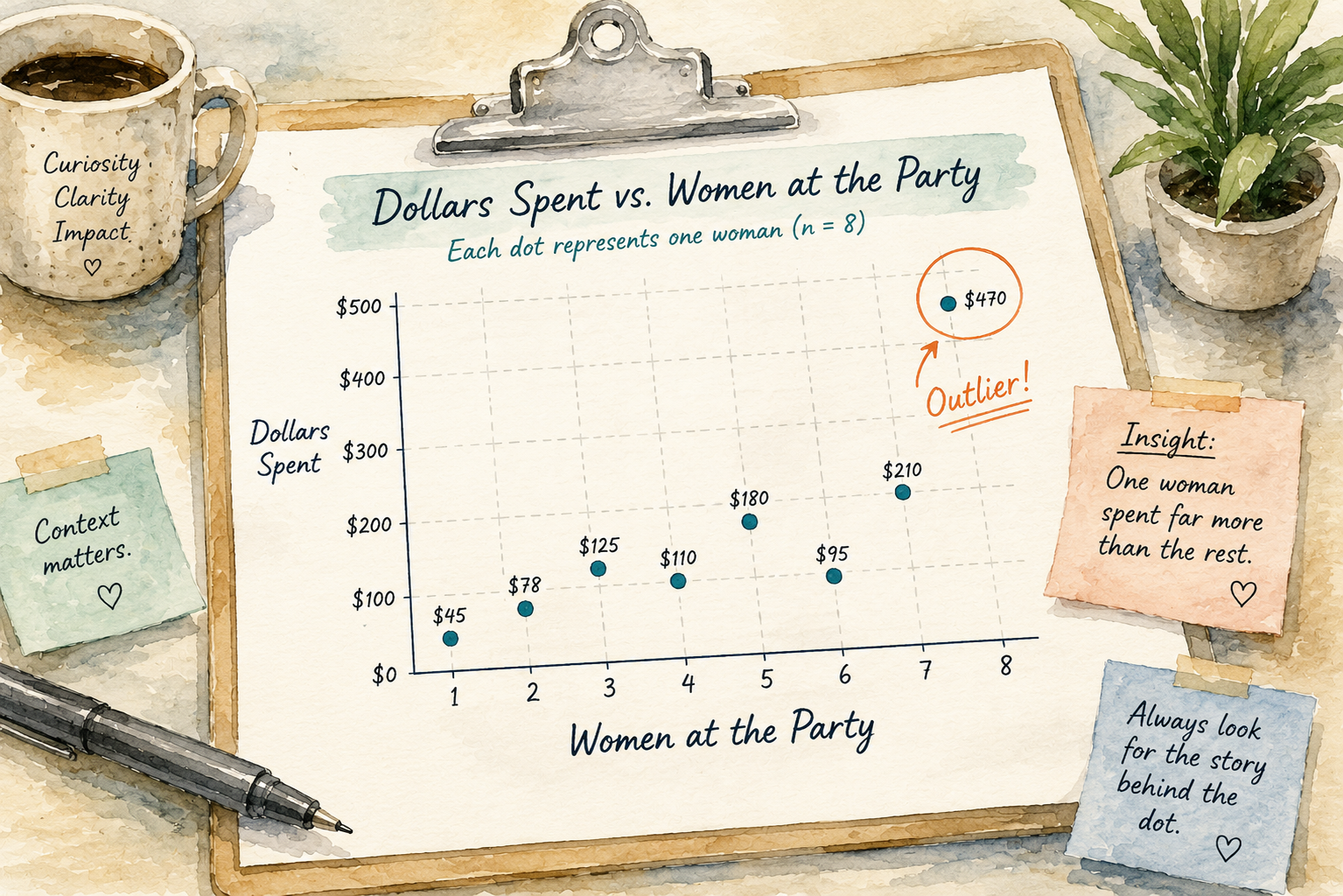
I attended home parties that used the old sales model. I noticed that there was almost always one woman who was less engaged than the others. Polite. Present. Completely checked out. I assumed she was an outlier, the one person dragged along by a friend who owed her a favor. Then I noticed her again. And again. Outliers do not repeat. Patterns do. When I asked to speak to her privately, what often emerged was a confession of pregnancy, rosacea, chemotherapy, aging, and other personal circumstances. None of these things are party conversation.The whole business assumed skincare was social. It is not. Skincare is intimate, and the model was asking people to be vulnerable in exactly the setting designed to prevent it. This is the part of research that never shows up in the deck summary. The insight was not in what people said in the room. It was in who stopped talking, and why.
Why It Matters
If privacy drives behavior, the party model is incomplete.
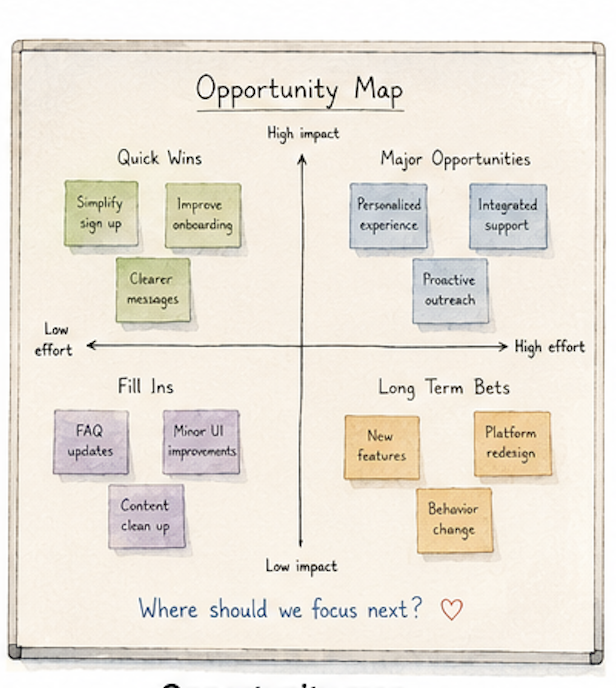
XX launched with the same sales model as the other brands in the family. The assumption was simple: same model, same trajectory.
But skincare created a different kind of decision. The issue was not value, quality, or interest. The issue was whether a customer felt safe enough to disclose what she needed.
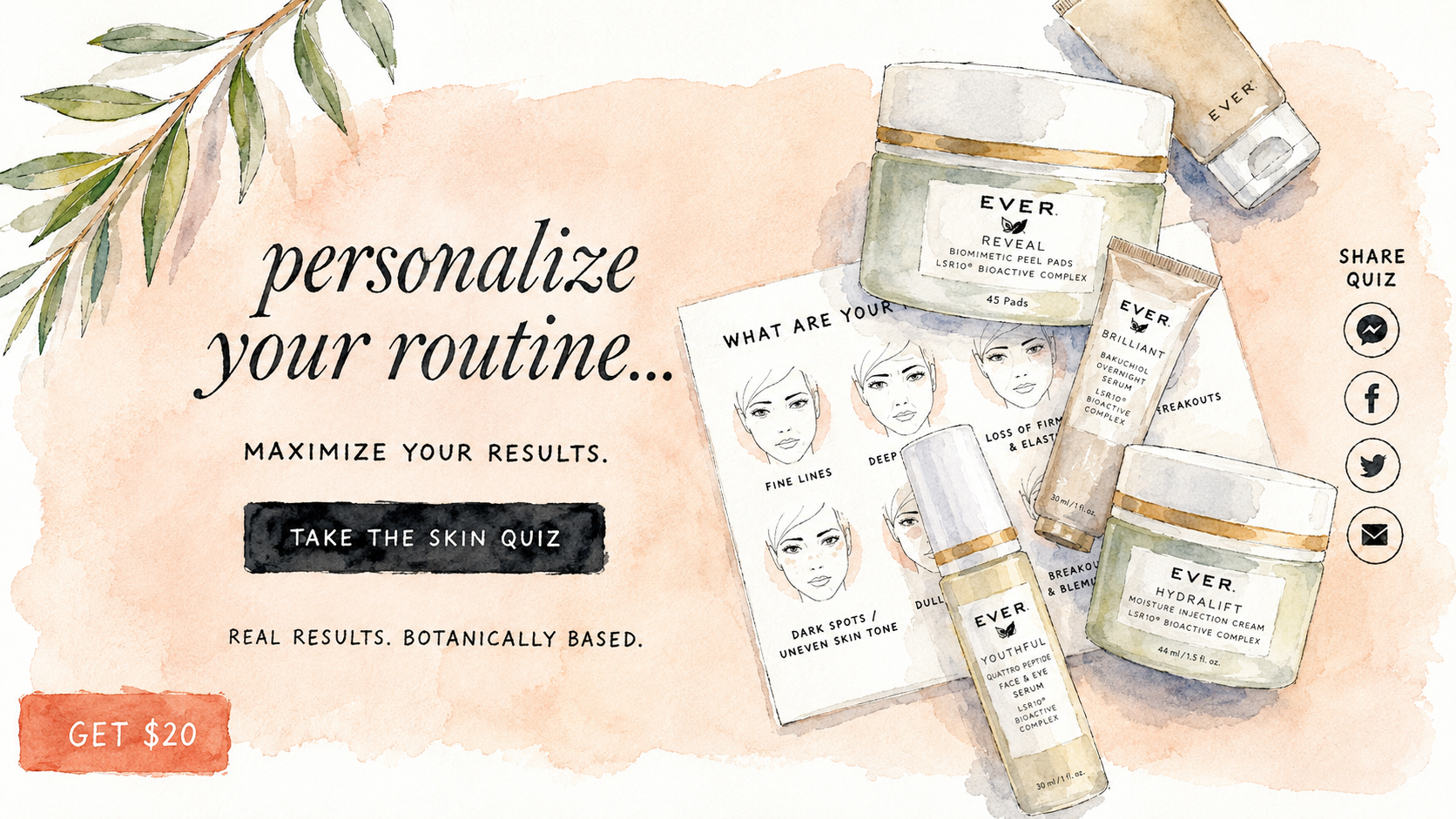
Also, this was where an online quiz might be a bateer solution than a home party. The quiz could be taken in private, and the results could be shared with a salesperson who could then follow up with a more personalized recommendation.
The Original Question
Why was this brand not following the same sales trajectory?
We began with a practical business question: if the sales model was the same, why was the skincare brand performing differently than the first two brands?
The research challenged the assumption that the model could simply transfer. Skincare was not only a product category. It was a private conversation.
How We Got There
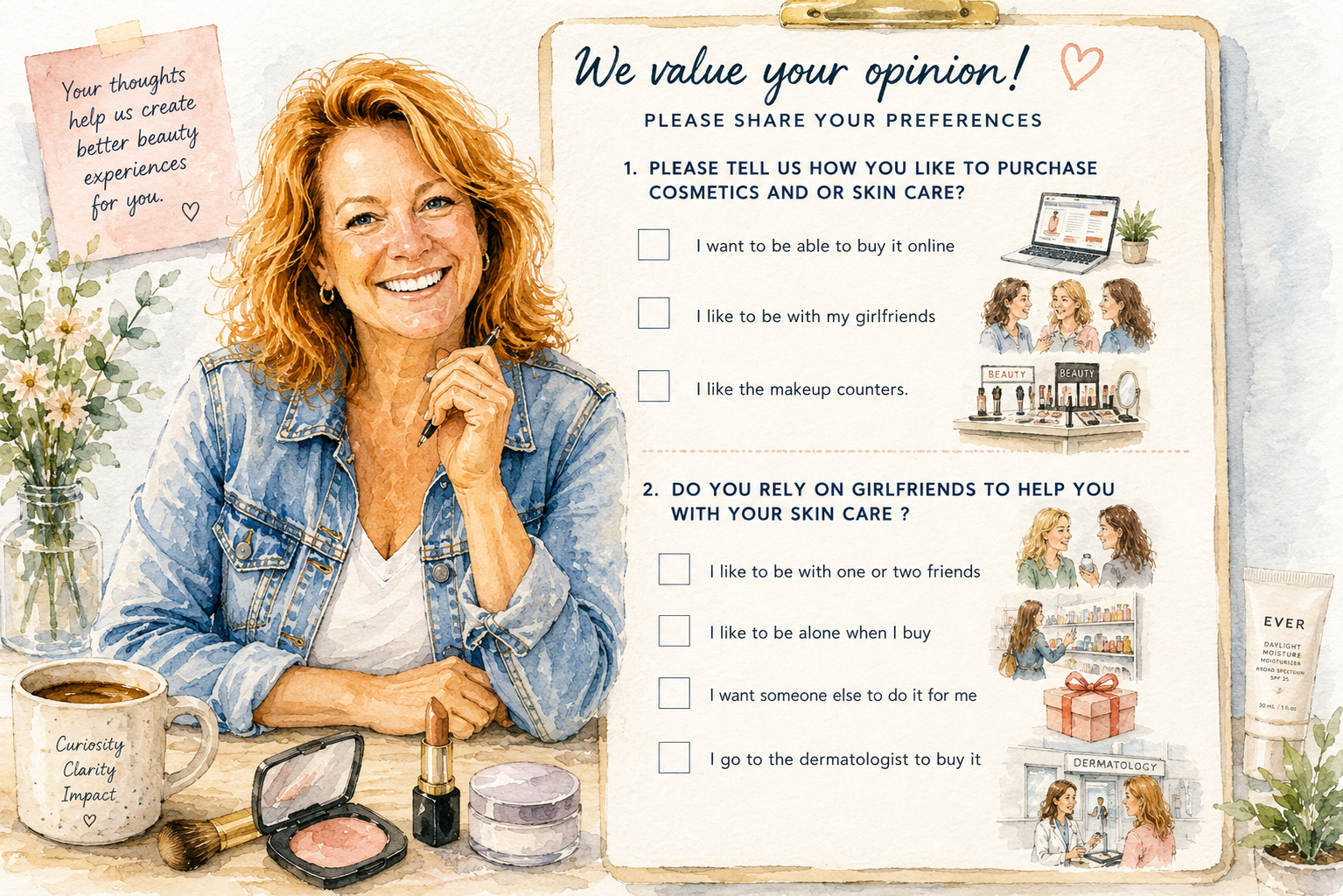
We followed the quiet behavior through fieldwork, surveys, and synthesis.
The work combined statistical analysis, survey research, literature review, ethnography, contextual inquiry, moderated interviews, synthesis, and post-launch measurement.
We visited 7 cities, attended 21 parties, and returned to the sales force for contextual inquiries with 15 independent business owners.
Many parties. One recurring signal. A different path to trust.
What I Learned
The person who does not fit the model may be showing you the model is wrong.
A consistent outlier is not an exception to explain away. Ignoring her alienates every woman like her. That is a lot of potential customers to lose over a sales model that never made room for her in the first place. Something else came out of it. The salespeople valued the one-on-one relationships as much as the clients did. Intimacy was not a workaround. It was the actual model. It always had been. We just had not named it yet.
One more thing, I overkilled the fieldwork on this one. I could have gotten the same insights by synthesizing in the field, instead of hoarding all the analysis for the end like some kind of insight dragon sitting on a pile of data. Lesson noted. Dragon retired.